New Fishing Regulations and What They Mean for Coverage, Claims, and Compliance
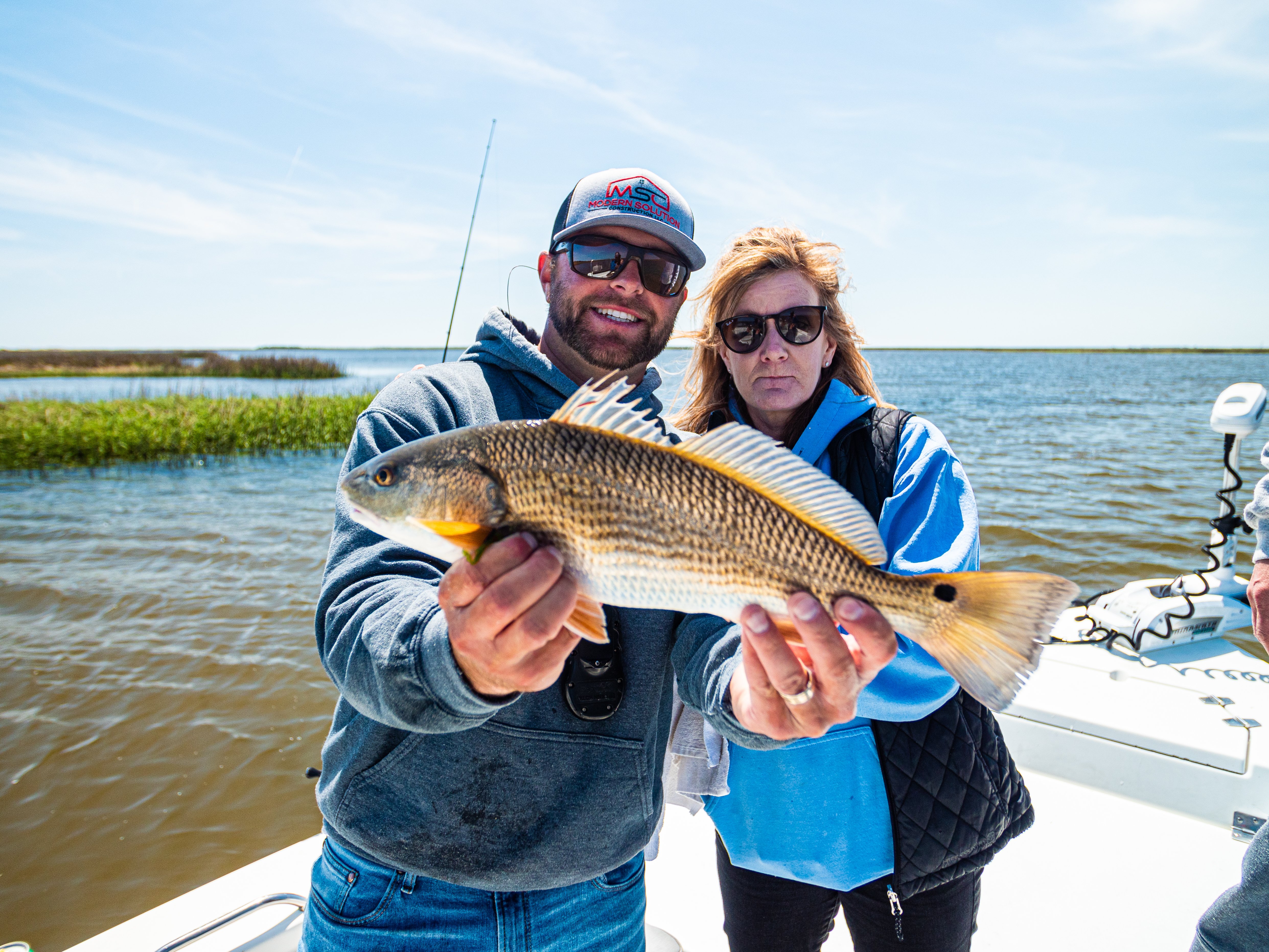
Fishing regulations change regularly along the North Carolina coast, and while many updates focus on seasons, limits, and species management, there is also an important insurance consideration that often gets overlooked. Compliance matters, even when a loss has nothing to do with fishing itself.
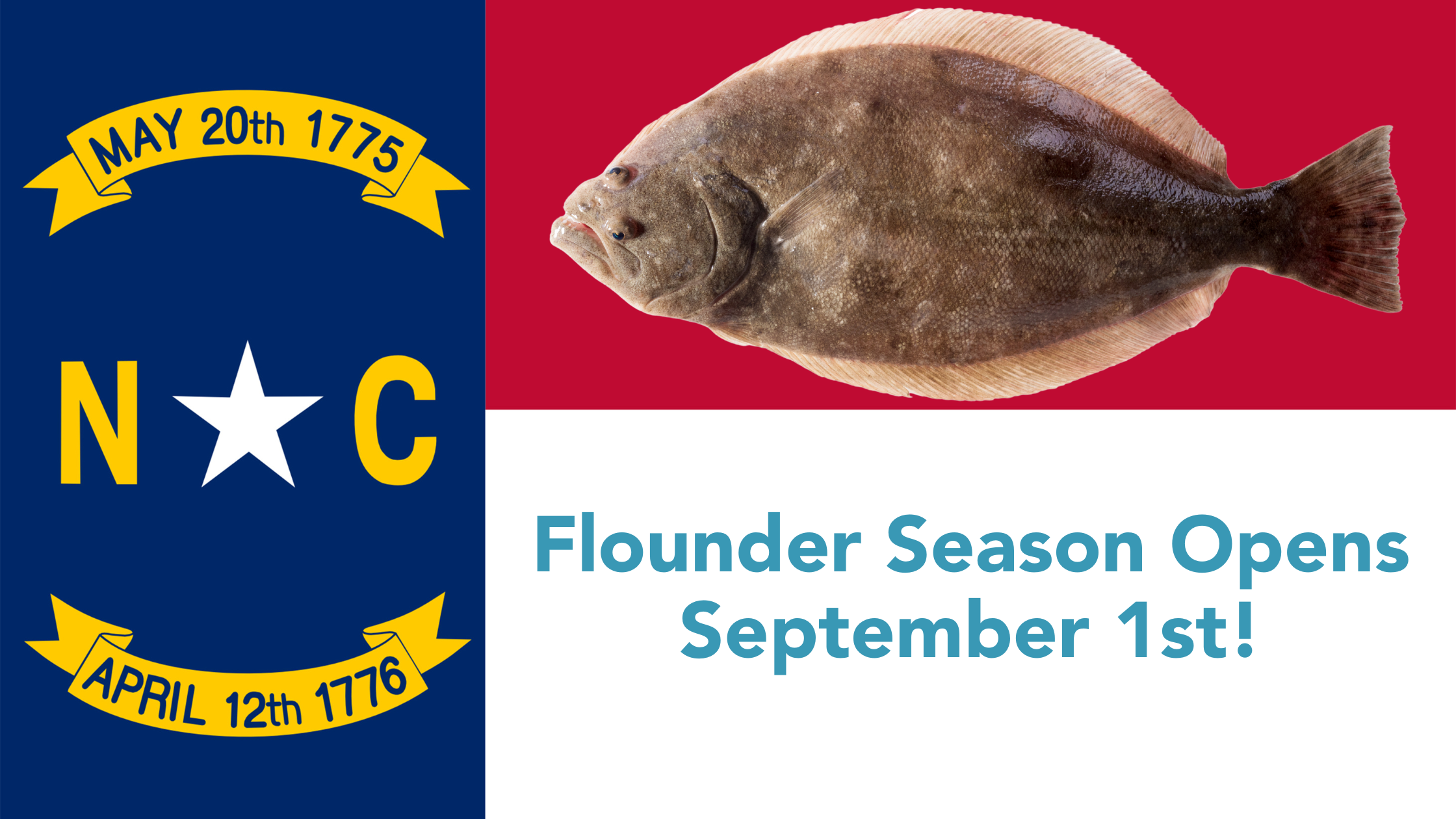
On December 1, 2025, a major update dropped from DEQ’s Division of Marine Fisheries: from now on, if you go fishing in the waters around North Carolina, and you harvest your catch (keep your fish), you might have to report your catch. This isn’t for every fish you catch; only certain species. The five “report‑your‑catch” fish are: Flounder, Red Drum, Spotted Seatrout (also called speckled trout), Striped Bass, and Weakfish (Gray Trout).
At Wells Marine Insurance, we encourage insured boaters to understand how regulatory compliance can intersect with claims outcomes and carrier expectations.
So how do you report a catch now?
DEQ tried to make it as easy as possible. You’ve got two options:
-
Use the online reporting form via smartphone, tablet, or computer.
-
Or, if you’re old‑school (or in a dead zone with no signal), grab a paper report card — you can print that from the DEQ website or get it from certain offices or tackle shops.
You report when your trip ends:
-
If you fished from a boat — once you’re docked (or ashore).
-
If you fished from land (pier, bank, dock) — once you’re done fishing and gear’s stowed.
If you use the paper card, you have until midnight the next day to submit your info electronically.
Here’s what you’ll need to report: license number (or name & ZIP), date, number of each species kept, where you caught them, and what gear you used (hook and line, gig, etc.). Released fish don’t need to be reported.
Where and when does this apply?
This applies to folks fishing in most of the coastal zone: waters designated as Coastal Fishing Waters, Joint Fishing Waters, and Inland Waters next to those.
There’s also a phased enforcement schedule. First year (2025–2026): you’ll get a verbal warning if you forget. Then in 2026–2027 written warnings. Starting December 2027, you risk a fine ($35 plus possible court costs) and repeat violations might affect your fishing license or permit status.
Why is DEQ asking for this?
This change comes from a state law — Session Law 2023‑137 — that tasked DEQ’s Division of Marine Fisheries with rolling out mandatory harvest reporting.
The idea is to collect better, more accurate data than before. The new reporting program won’t replace existing fish‑survey tools (like creel surveys), but will supplement them so regulators get a clearer view of what’s actually being kept. That helps with healthier fisheries and smarter rule‑making.
Why Fishing Regulations Matter to Carriers
Carriers expect insured vessels to be operated legally and responsibly. When a claim occurs during an activity that is out of compliance with state or federal regulations, carriers may take a closer look at the circumstances surrounding the loss.
This does not mean that every violation results in a denied claim. However, non-compliance can complicate the review process, delay resolution, or raise questions that would not otherwise exist.
Common Scenarios That Trigger Additional Review
Claims can receive extra scrutiny when:
• The boat is operating during a closed season
• Fishing activity exceeds allowable limits
• Required permits or licenses are missing
• The vessel is used outside its declared use
Even if the loss is unrelated to fishing gear or catch, carriers may still evaluate whether the vessel was being used as disclosed on the policy.
Declared Use and Policy Accuracy
Marine policies are underwritten based on how the boat is used. Recreational fishing, charter operations, and tournament participation can each carry different risk profiles. If your fishing activity has changed, your coverage should reflect that.
Accurate disclosure helps prevent misunderstandings during a claim and ensures coverage responds as expected.
Documentation Still Matters
If a loss occurs while fishing, carriers typically request:
• Time and location of the incident
• Activity underway at the time of loss
• Applicable permits or licenses
• Photos or reports related to the damage
Having this information readily available helps move claims forward more smoothly.
The Wells Marine Insurance Perspective
Fishing regulations are not just about conservation. They can also influence how a claim is reviewed. Our role is to help insureds understand where compliance, declared use, and coverage intersect so there are fewer surprises when something goes wrong. Good luck out there, keep those lines tight, and if you have questions about your coverage contact us at Wells Marine Insurance.