Winter Tides, Groundings, and How Insurers Evaluate Risk in Coastal Carolina
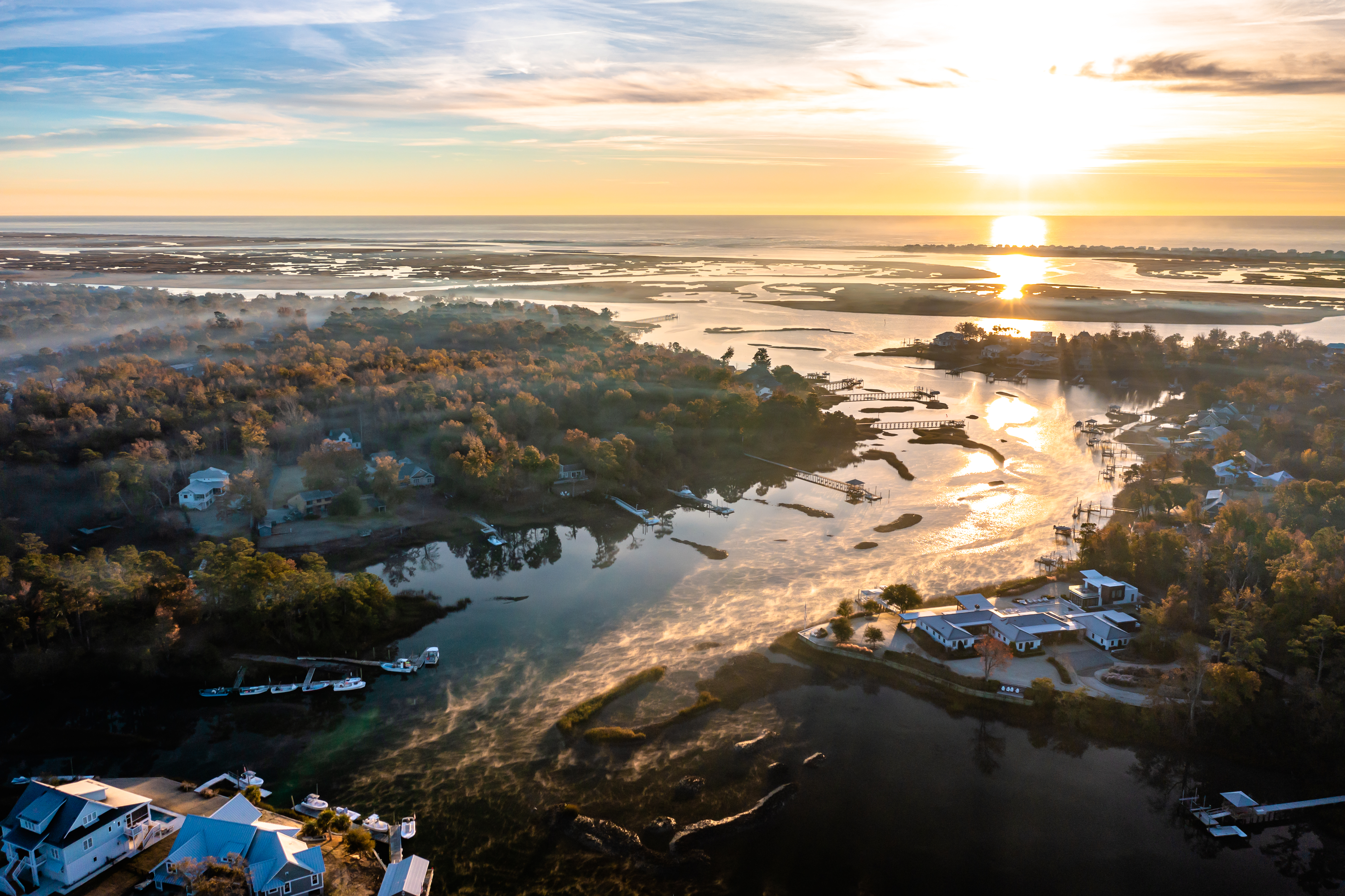
Winter boating in Coastal Carolina comes with unique tidal patterns that increase the risk of grounding and underwater impact claims. While experienced boaters may understand how tides shift seasonally, many insureds do not realize how these conditions affect claim outcomes and coverage decisions.
Understanding how insurers evaluate winter grounding losses can help you as a boat owner protect yourself before an incident occurs.
Why Winter Conditions Matter to Insurers
Cold fronts, strong offshore winds, and lower-than-normal tides increase grounding frequency during winter months. From an insurance perspective, this creates higher exposure to hull damage, prop strikes, and lower unit claims.
Insurers look closely at winter losses because many groundings occur in known shallow areas that change seasonally. This does not automatically mean a claim will be denied, but it does affect how the loss is reviewed.
Grounding vs. Wear and Tear
One of the most common questions in winter claims is whether damage resulted from a sudden grounding event or from ongoing wear.
Sudden loss typically involves:
• A specific incident
• A known time and location
• Immediate damage or loss of propulsion
Wear and tear often appears as:
• Gradual corrosion
• Long-term prop damage
• Repeated bottom contact without a clear event
Winter tides can expose problems that already existed, which is why documentation matters.
What Insurers Expect After a Grounding
When a winter grounding occurs, insurers often request:
• Date, time, and location of the incident
• Tide and weather conditions
• Photos of damage, propellers, and hull
• Repair estimates noting impact-related damage
The more clearly the event is documented, the easier it is to distinguish a covered loss from maintenance-related issues.
Risk Mitigation vs. Negligence
Using updated charts, monitoring depth, and adjusting speed in winter conditions demonstrate reasonable care. While insurance exists for accidents, repeated incidents in known shallow areas can raise underwriting concerns over time.
This does not mean coverage disappears, but it may affect deductibles, renewals, or future terms.
Why Reviewing Coverage Matters in the Winter
Winter is a good time to review:
• Physical damage coverage
• Grounding and salvage limits
• Deductibles that apply to underwater damage
Understanding these details before an incident happens helps avoid surprises during a claim.
The Wells Insurance Perspective
Winter boating risks are manageable, but how a loss is handled often comes down to preparation and clarity. Our role is to help you understand how insurance carriers view these situations so claims move more smoothly and expectations are clear. If you're unsure about coverage or want to review your policy, give Wells Marine Insurance a shout to make sure everything is safe and covered.